


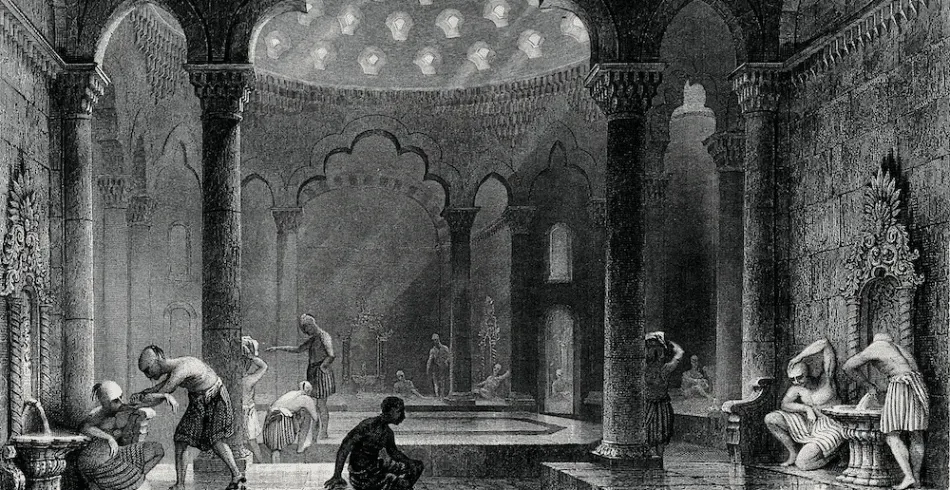
Turkish hammam history unfolds as a living chronicle of public baths, architectural elegance, and social ritual that links ancient city life to contemporary wellness. From the Roman thermae and pre-Ottoman cleansing practices to the era of Ottoman baths, these spaces evolved into civic hubs and intimate enclaves. The hammam rituals—sequence of warm rooms, rinsing, kese exfoliation, and fragrant soaps—became a daily and ceremonial routine across urban life. Their architecture, with domed ceilings and polished marble, was designed to trap heat and foster a contemplative rhythm that nourishes body and social ties, a cornerstone of Turkish bath culture. Today, visitors encounter a bridge between history and modern Turkish spas, where the essence of tradition sits alongside contemporary comfort and hygienic standards.
Viewed through an alternative lens, this tradition can be described as the Ottoman-era bathhouse heritage and steam bath rituals that anchored social life across cities. The imagery shifts—from sacred cleansing to spa culture—yet the core idea remains a communal space where heat, water, and touch renew body and spirit. In contemporary venues, these legacies persist as part of Turkey’s bathhouse heritage, often presented in modern wellness spaces that honor the past while offering professional care. This continuum shows how historic bathing traditions shape current wellness offerings and cultural identity across the region.
Turkish hammam history: Origins, Ottoman Legacy, and Cultural Significance
Turkish hammam history traces a path from ancient public baths to the flourishing urban centers of the Ottoman era. The Ottomans inherited a tradition of communal cleansing and recast it into a distinctive architectural and cultural experience, shaping what we now recognize as Ottoman baths. The hammam stood as a civic landmark and a private pleasure, positioned at the heart of cities and neighborhoods.
Within this framework, hammam rituals combined cleansing with inner renewal. The typical sequence—washing, passing through progressively warmer rooms, exfoliation with a kese cloth, and lathering with natural soap—delivered hygiene, calm, and social connection. These rites remain a core part of Turkish bath culture and help explain why the spaces feel both timeless and transformative.
Architecture and Rituals: The Spatial Design that Defines the Hammam Experience
Architecturally, hammams rely on domed ceilings, thick marble surfaces that stay cool to the touch, and a central heated platform designed to radiate heat. Water features such as fountains, basins, and steam alcoves complete the sensory experience and help regulate climate inside the room, a tradition rooted in the era of Ottoman baths.
The spatial journey—from a cool intro room to warm spaces and finally the hot chamber—teaches the body to relax and respond to ritual. This architecture makes the hammam a living experience that ties the senses to Turkish bath culture, while aligning with the ethos of modern Turkish spas and contemporary comfort.
Hammam Rituals and Social Life: Etiquette, Interaction, and Renewal
Etiquette in traditional hammams emphasizes modesty, patience, and mutual respect. The gender-separated spaces and careful pacing reflect Turkish bath culture, where the ritual is as much about social bonding as cleansing.
Beyond rules, the experience fosters conversation, shared relaxation, and mutual care for body and spirit. In many modern Turkish spas, the core rhythm persists, now complemented by private options, massages, and wellness packages that honor the ritual while addressing contemporary expectations.
From Empire to Modernity: Notable Hammams, Preservation, and Turkish Bath Culture
Notable hammams—historic public baths in major cities—have endured as symbols of architectural and cultural memory. Preservation and restoration efforts allow visitors to experience rooms that echo Ottoman era aesthetics, while poets, merchants, and travelers continue to tell the stories of Turkish bath culture.
As republics emerged, baths adapted to urban modernization, integrating modern plumbing, hygiene standards, and contemporary design. This transition preserved the essential Turkish bath culture while broadening access and integrating the ritual into everyday life and leisure.
Experiencing the Hammam Today: Modern Turkish Spas, Wellness, and Practical Tips
Today’s practice blends historic hammam rituals with modern Turkish spas, offering options from grand, public bathhouses to private wellness suites. Even in urban centers, historic spaces sit alongside state-of-the-art climate control, private treatment rooms, and a menu of therapies.
For first-time visitors, practical tips—arriving early, learning local etiquette, bringing a towel, and choosing guided experiences—help make the most of the heat, steam, and cleansing. Whether seeking cultural immersion or contemporary spa renewal, the hammam experience remains a living tradition within Turkish bath culture and modern wellness.
Frequently Asked Questions
What is Turkish hammam history and how did Ottoman baths shape Turkish bath culture today?
Turkish hammam history traces from ancient cleansing practices through the Ottoman baths, which turned public baths into civic and architectural landmarks. The enduring elements—domed ceilings, marble warmth, a sequence of rooms, and hammam rituals such as kese exfoliation and soap washing—remain central in modern Turkish spas, updated for today’s hygiene and comfort.
How did hammam rituals evolve from Ottoman baths to Turkish bath culture in modern times?
Hammam rituals historically blended cleansing, social contact, and renewal, moving through progressively warmer rooms. In modern Turkish bath culture, these rituals stay central but are enhanced with contemporary spa services, privacy options, and improved hygiene, preserving the ceremonial rhythm while meeting current expectations.
What architectural features from Ottoman baths still influence modern Turkish spas?
Key architectural features—domed ceilings, thick marble surfaces, a central heated platform, and integrated water features—originated in Ottoman baths and continue to define the ambiance of modern Turkish spas. This heritage supports the heat and flow essential to hammam rituals while enabling contemporary comfort.
Why is Turkish bath culture still meaningful in today’s hammam rituals and etiquette?
Turkish bath culture emphasizes modesty, patience, and communal care, values that anchor hammam rituals across eras. In today’s settings, etiquette guides respectful social interaction, ritual pacing, and appreciation for heat, privacy, and mutual well-being.
How did the empire-to-republic transition reshape Turkish hammam history and the development of modern Turkish spas?
In the late 19th and early 20th centuries, Western influences reshaped design, plumbing, and hygiene within traditional hammams, marking a turning point in Turkish bath culture. The legacy is a continuum where historic ritual spaces inform modern Turkish spas, which offer updated services while honoring hammam heritage.
| Key Point | Summary / Description |
|---|---|
| Origins and Ottoman era | Public baths trace back to ancient practices; Ottomans transformed cleansing into a civic and architectural experience with a sequence of temperature-controlled rooms (cool intro, warm, hot). Domed ceilings, marble, and central heated platforms trap and radiate heat, creating a soothing, humbling atmosphere. |
| Hammam rituals and purpose | Cleansing plus inner renewal through a ritual sequence: washing, progressing through rooms, exfoliation with kese, lathering with natural soap. The aim is calm, social interaction, and balance of body and spirit, not purely cleanliness. |
| Architecture and design | Polished marble walls/floors/columns, water features (fountains, basins, steam alcoves). Hammams are often placed near markets and mosques, reinforcing their role as communal hubs for gathering, resting, discussing, and sometimes healing. |
| Cultural significance and etiquette | Gender separation has been common, but the core ethos is communal care. Etiquette emphasizes modesty, patience, and respect, with a rhythm that favors contemplation and a relaxed pace over rushing. |
| Notable hammams and preservation | Certain historic baths became legends for beauty and longevity; many have been preserved or restored. Some continue as traditional baths, others evolved into luxury spa experiences while retaining historical ambience. |
| Empire to republic: transition | Late 19th–early 20th centuries saw Western influences shaping design, plumbing, and hygiene. Hammams adapted rather than disappeared, balancing ritual with modernization and broader public access. |
| Hammam rituals today | Historic hammams operate alongside modern Turkish spas. Core ritual remains (entry, warm-up, kese, soap, rinse, massage), with options for privacy, multi-service packages, and added wellness services. |
| Science behind the experience | Heat induces sweating and muscle relaxation; steam aids cleansing; exfoliation removes dead skin and stimulates circulation; natural oils and soaps provide skin therapy. |
| Practical tips for experiencing | Know space hours, follow local etiquette, bring towel and soap, expect heat/humidity, and consider guided experiences at modern spas for a smoother introduction. |